For decades, the mantra 'low-fat equals healthy' dominated nutritional guidelines. However, a landmark Swedish study tracking 27,670 people for 25 years presents a compelling twist. Among middle-aged and older adults without genetic risk factors, consuming more than 50g of full-fat cheese daily was associated with a 13–17% lower risk of developing Alzheimer's. What does this mean for your plate? Let's separate the signal from the noise.
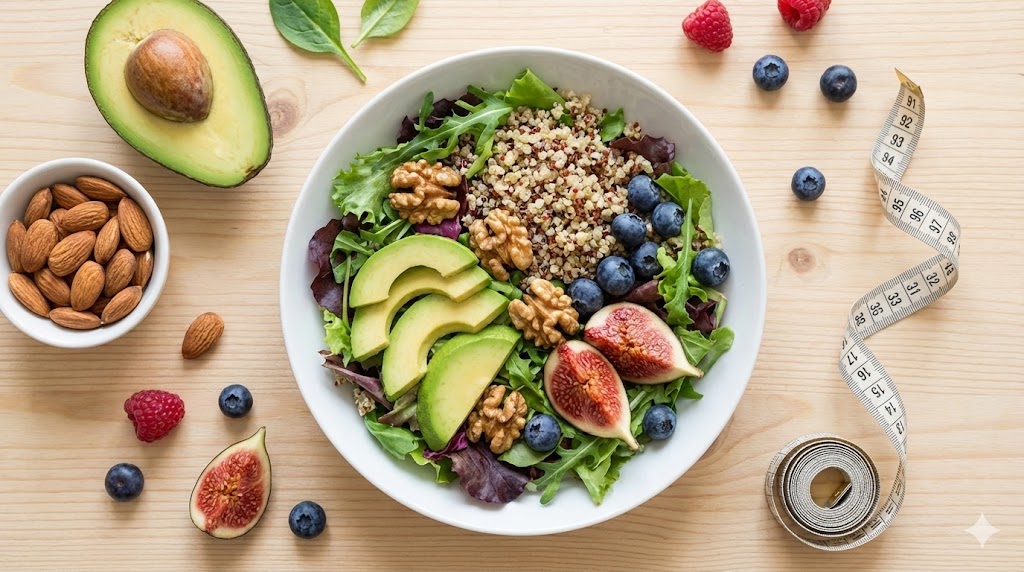
3 Actionable Principles for a Brain-Healthy Diet
- Ditch the 'Single Food' Myth: Don't fixate on cheese or cream alone. Researchers emphasize that overall dietary patterns (like the Mediterranean diet) are far more significant than any individual ingredient.
- Think in Terms of 'Substitution': The benefits of full-fat dairy may stem from replacing processed meats or refined carbs with healthier fats and proteins. Try opting for cheese instead of sausage in your lunch sandwich.
- Embrace Balance and Moderation: The study isn't a license to overindulge. The key is enjoying moderate amounts (about 1-2 ounces) a few times a week as part of a varied, balanced diet rich in fish, vegetables, whole grains, and fruit.

Science Deep Dive: Understanding the 'Why'
- Nutrient Density: Full-fat cheese is rich in fat-soluble vitamins (A, D, K2), vitamin B12, folate, zinc, and selenium—all crucial for neurological function.
- A Marker of a Healthy Lifestyle: In the study, higher cheese consumers tended to be more educated, less overweight, and had lower rates of dementia-linked conditions like heart disease. This suggests a healthy diet is part of a broader, health-conscious lifestyle.
- Acknowledge the Limitations: All studies have caveats. Dietary data is self-reported, and findings can vary between populations (e.g., Asia vs. Europe). One study should never justify extreme dietary shifts.
 The takeaway is clear: Don't view cheese as a miracle food or a villain. Science invites us to choose balance and wisdom. For your brain's sake, consider adding a sprinkle of cheese to a fresh salad or pairing it with whole-grain crackers tonight. Small, smart choices can contribute to long-term cognitive resilience.
Source & Further Reading: 25-year study found an unexpected link between cheese and dementia