For decades, dementia was seen as an unfortunate fate, a genetic lottery with limited options for prevention. We managed weight and blood pressure for heart health, often unaware of their profound impact on our minds. A pivotal 2026 genetic study published in The Journal of Clinical Endocrinology & Metabolism shatters this passive view. It provides robust evidence that high body mass index (BMI) and high blood pressure are not just risk factors but direct, causal drivers of dementia, particularly the vascular type. This revelation transforms them from vague health metrics into critical, actionable levers for safeguarding your cognitive future. This article presents informational insights from scientific research and is not a substitute for professional medical advice, diagnosis, or treatment.
From Risk to Cause: What the Science Says
The study used Mendelian randomization, a powerful genetic method that mimics a randomized drug trial. By analyzing data from large populations in Denmark and the U.K., researchers could isolate the effect of BMI on dementia, ruling out other lifestyle factors. The conclusion was clear: higher body weight directly increases dementia risk, and a significant portion of this effect is mediated through high blood pressure, which damages the brain's vascular system.
Your 3-Step Action Plan for Brain Protection (Start Today)
This research empowers you to take concrete steps. Prevention is most effective before cognitive symptoms appear.
- Reframe Your "Why": Shift your mindset from losing weight for appearance to protecting your brain's blood vessels. Every healthy meal and bout of exercise is an investment in your future cognitive independence. Visualize nourishing your neurons with good blood flow.
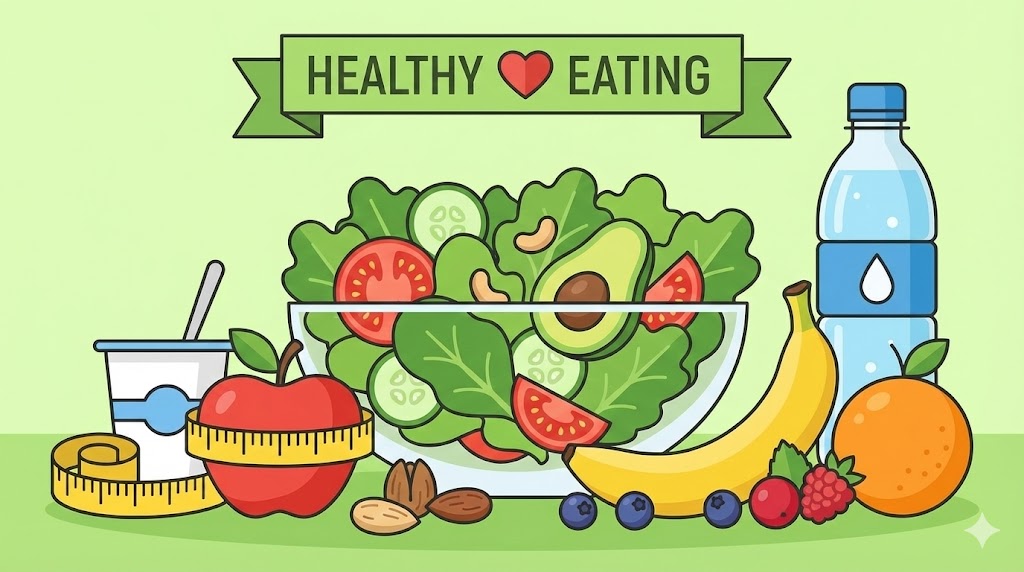
- Adopt a Brain-Protective Plate: Focus on diet changes that combat inflammation and support vascular health.
- Prioritize: Leafy greens, berries, fatty fish (like salmon), nuts, and olive oil.
- Reduce: Ultra-processed foods, sugary drinks, and excessive red meat.
- Simple Start: Add one serving of vegetables to both lunch and dinner.
- Move to Lower the Pressure: Regular physical activity is a dual-action tool—it helps manage weight and directly lowers blood pressure.
- Aim for: At least 150 minutes of moderate-intensity exercise (like brisk walking, cycling) per week.
- Integrate it: Take short walking breaks during work, use stairs, or try a beginner-friendly home workout.

Understanding the Brain-Body Link: Key Insights & Questions
The study highlights that vascular damage is a key pathway from obesity to dementia. Here’s a quick summary and answers to common questions:
| Aspect | Key Finding & Implication |
|---|---|
| Primary Cause | High BMI is a direct causal factor for dementia, not just a correlation. |
| Main Mechanism | Much of the risk is driven by high blood pressure damaging brain vasculature (vascular dementia). |
| Prevention Window | Intervention is likely most effective before any cognitive symptoms appear. |
| Actionable Target | Controlling weight and blood pressure becomes a direct dementia prevention strategy. |
Q: If I already have high blood pressure or am overweight, is it too late to reduce my dementia risk? A: Absolutely not. The study emphasizes that managing these conditions is a highly actionable target for prevention. While early intervention is ideal, bringing your blood pressure to a healthy range and achieving a healthier weight at any stage can help reduce further vascular damage to the brain and lower future risk. Consult your doctor for a personalized plan.
Q: The study mentions weight-loss medication didn't help in early Alzheimer's. Does this mean lifestyle changes are futile? A: Quite the opposite. The medication was administered after symptoms had begun. The researchers suggest that intervention before symptom onset—like the lifestyle changes you can start today—may be protective. Lifestyle modifications address the root causes (weight, blood pressure) throughout life, potentially delaying or preventing the onset of pathology, which is different from treating an already diagnosed disease.

Your Brain's Health is in Your Hands
The message from this cutting-edge research is one of profound hope and agency. Dementia is not an inevitable shadow of aging. By understanding that our daily choices around diet, exercise, and weight management directly influence our brain's long-term health, we gain powerful tools for prevention.
Start with one small change from the action plan above. Monitor your blood pressure regularly. Remember, seeking support from healthcare professionals, family, or friends on this journey is a strength, not a weakness—much like the power of connection in managing life's other challenges. Your brain, your most precious asset, is worth the effort.
Reference / Source
- The original study summary and details can be found here: High Body Mass Index as a Causal Risk Factor for Vascular-Related Dementia: A Mendelian Randomization Study